Valor Community Transformational Network presents
Education Next 2026
Building a Future-Ready Education System for National Growth and Development
Two days of conversation, collaboration and hands-on learning with educators, school leaders, policymakers and innovators. Here's the full story of what happened.
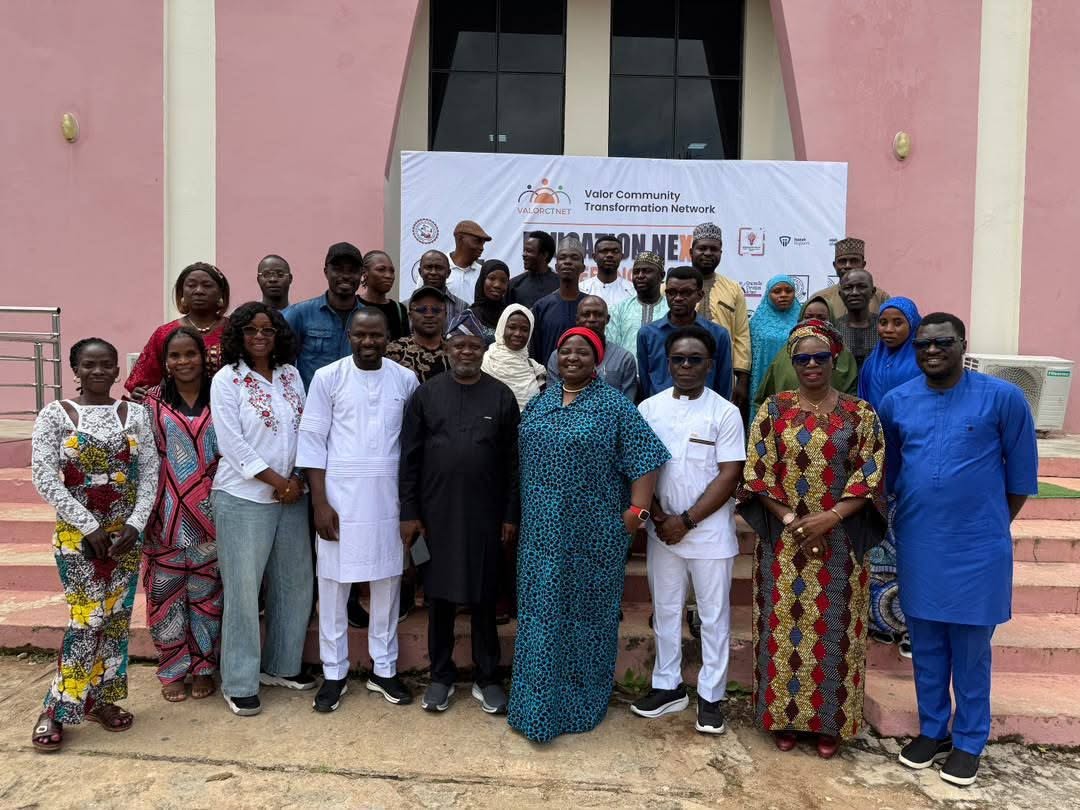
At a Glance
- Date6th–7th Aug 2026
- VenueECWA HQ, Jos
- Day OneKeynote & Panel
- Day Two3 Hands-on Sessions
- CertificatesDownload →
Opening the Conversation
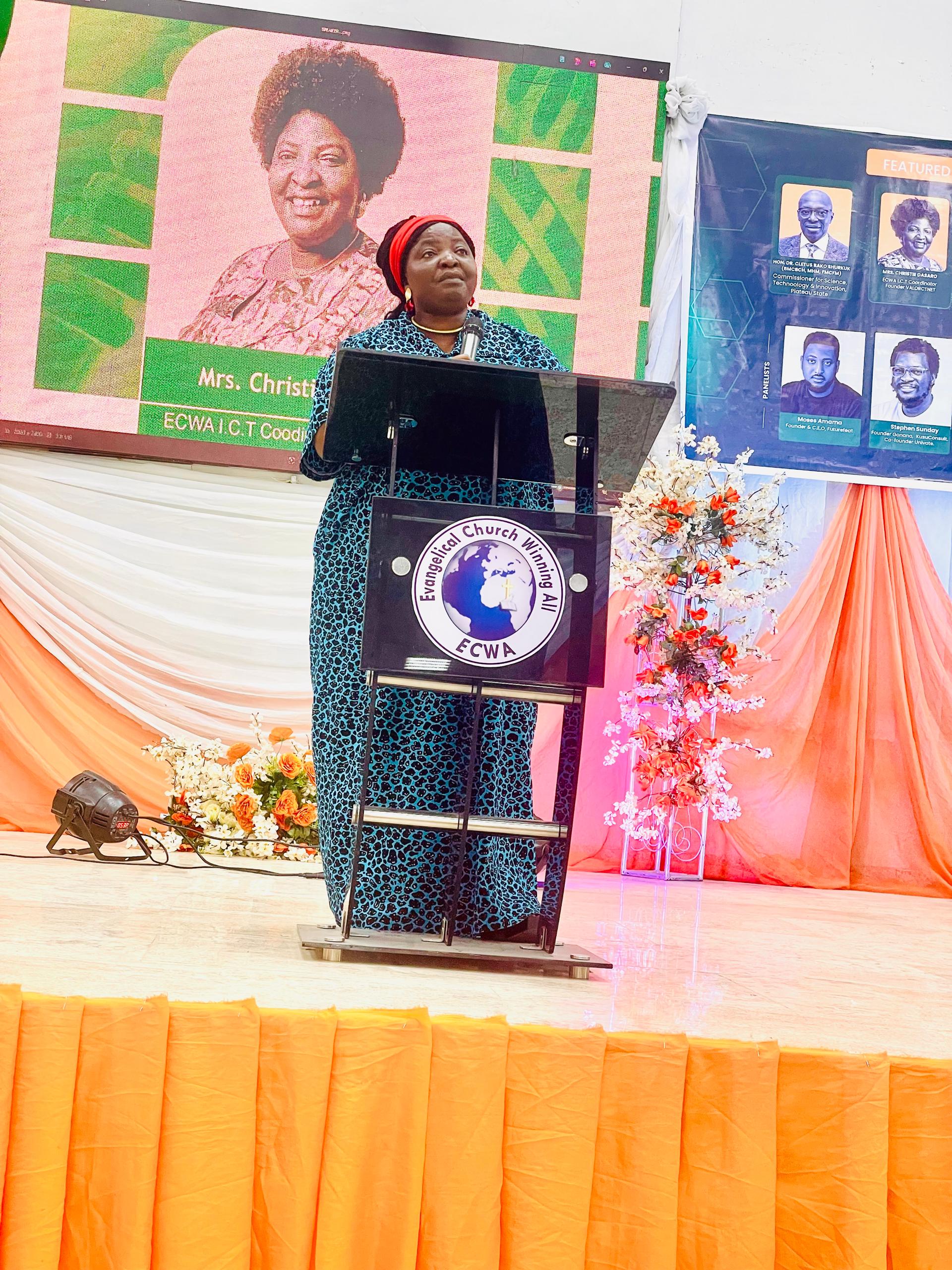 Welcome Address
Mrs. Christie Dasaro
Officially opened Education Next 2026 and set the tone for two days of learning, reflection, innovation, and collaboration.
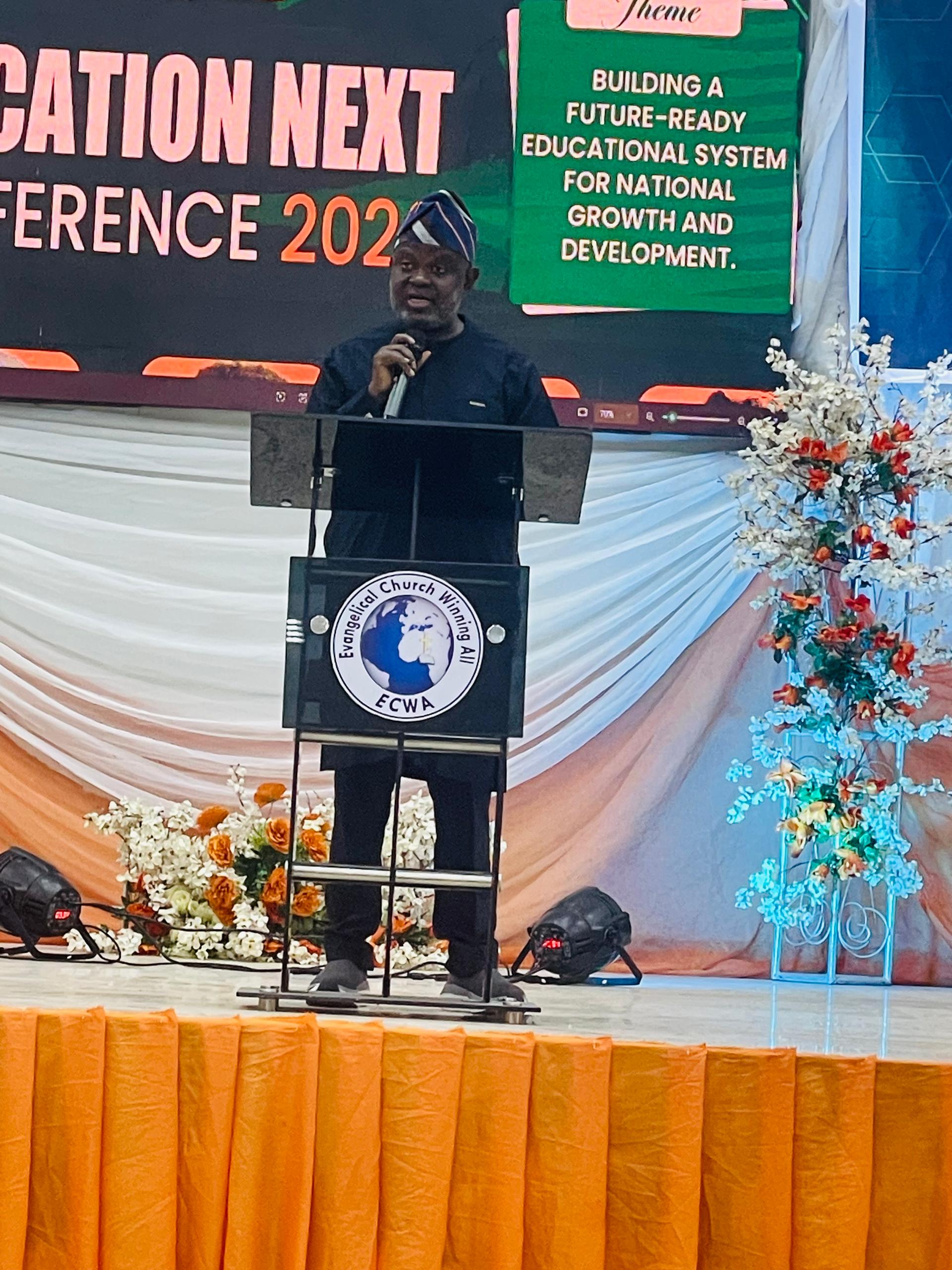 Keynote Address
Dr. Cletus Bako Shurkuk
Reinforced the importance of embracing technology and innovation as critical components of building a future-ready society and education system.
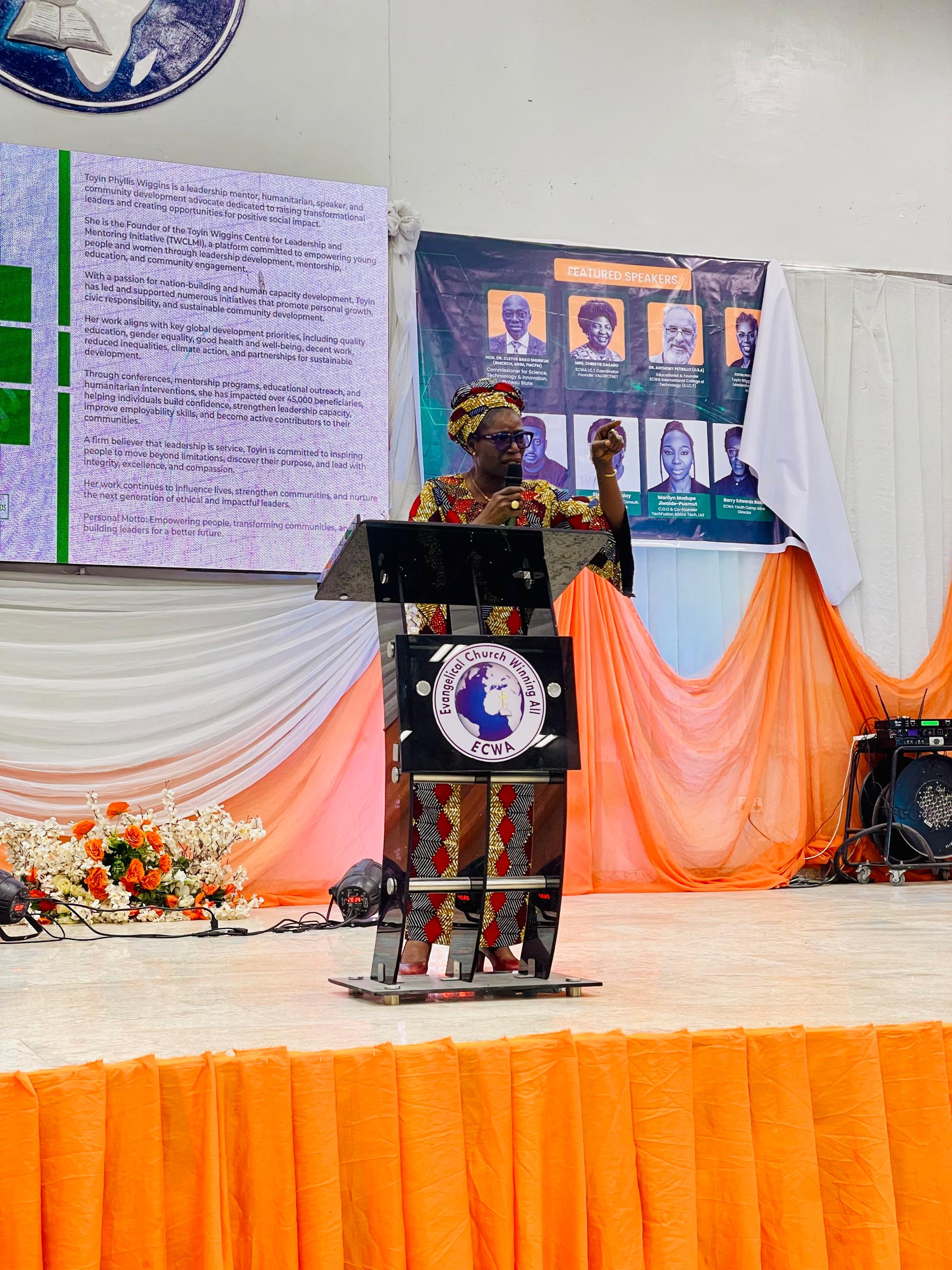 Guest Speaker
Mrs. Toyin Phyllis Wiggins
Spoke on the power of mentorship in shaping future-ready leaders, calling on educators to move learners beyond passive learning and to take personal ownership of the change they want to see.
Day One · The Panel
Preparing Learners for the World Ahead
Five voices from technology, education, entrepreneurship, youth development and financial literacy took on one uncomfortable question. Here is what they had to say.
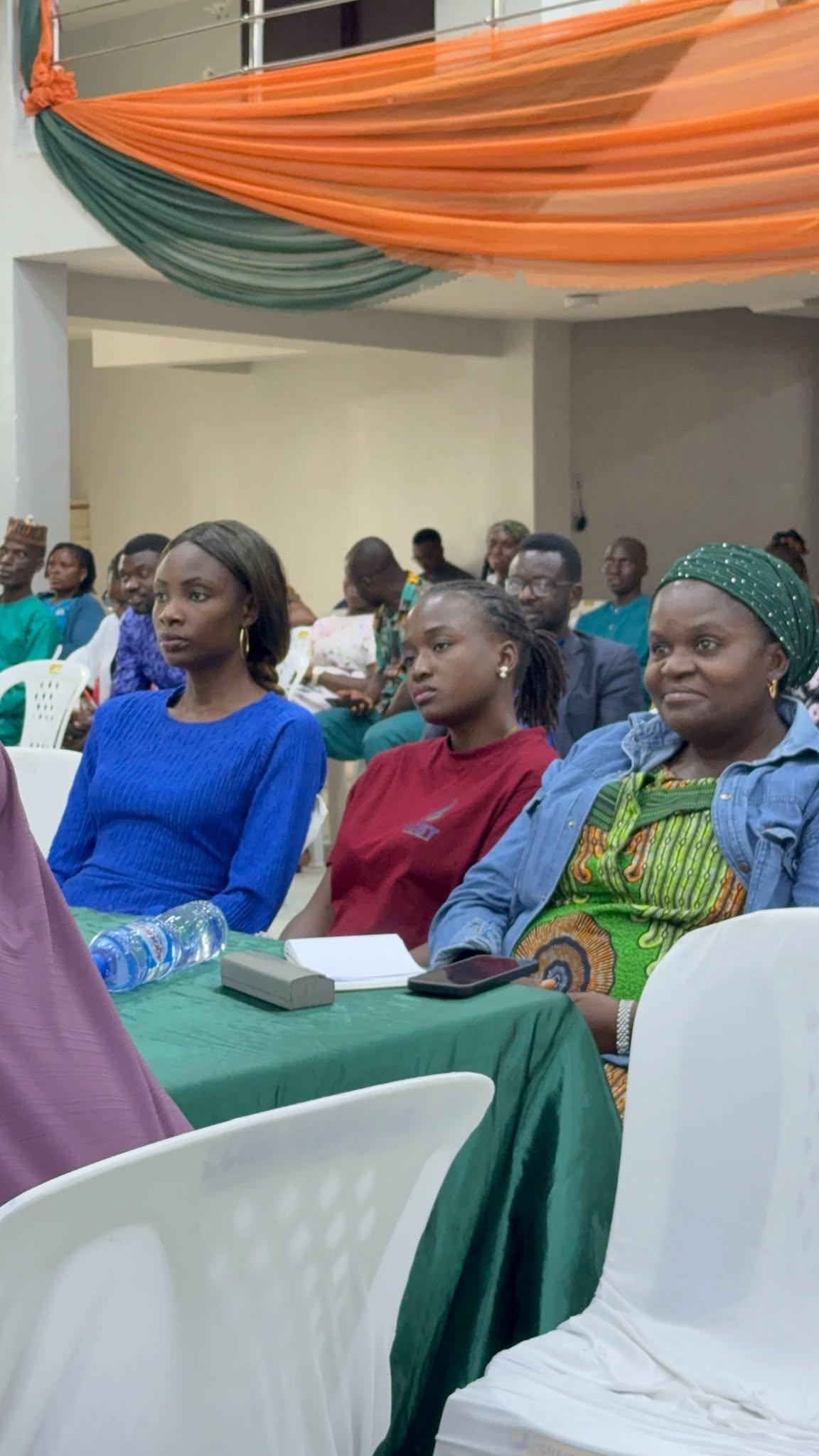
After the opening addresses, the conversation turned to the people who would carry it forward. One of the major highlights of Day One was a panel discussion built around a single question, the kind every educator in the room had probably asked themselves at some point:
Are our schools adequately preparing today's learners for the world they will inherit tomorrow?
Guiding the conversation was Mrs. Faith Royal Oladeji, a finance professional, certified financial literacy trainer and finance coach, and the founder of FINORA. Beside her sat four panelists, each bringing a different lens: Stephen Sunday Dogo, a technology entrepreneur, blockchain enthusiast and innovator; Marilyn Modupe Jiwalde-Pusmut, a lecturer, education administrator, technology entrepreneur and youth development advocate; Moses Amama, founder and CEO of Futurefeat and Startup Lab; and Rev. Barry Bass, coordinator of ECWA Youth Camp Alive.
Together, they set out to answer what it truly means to prepare young people for the future.
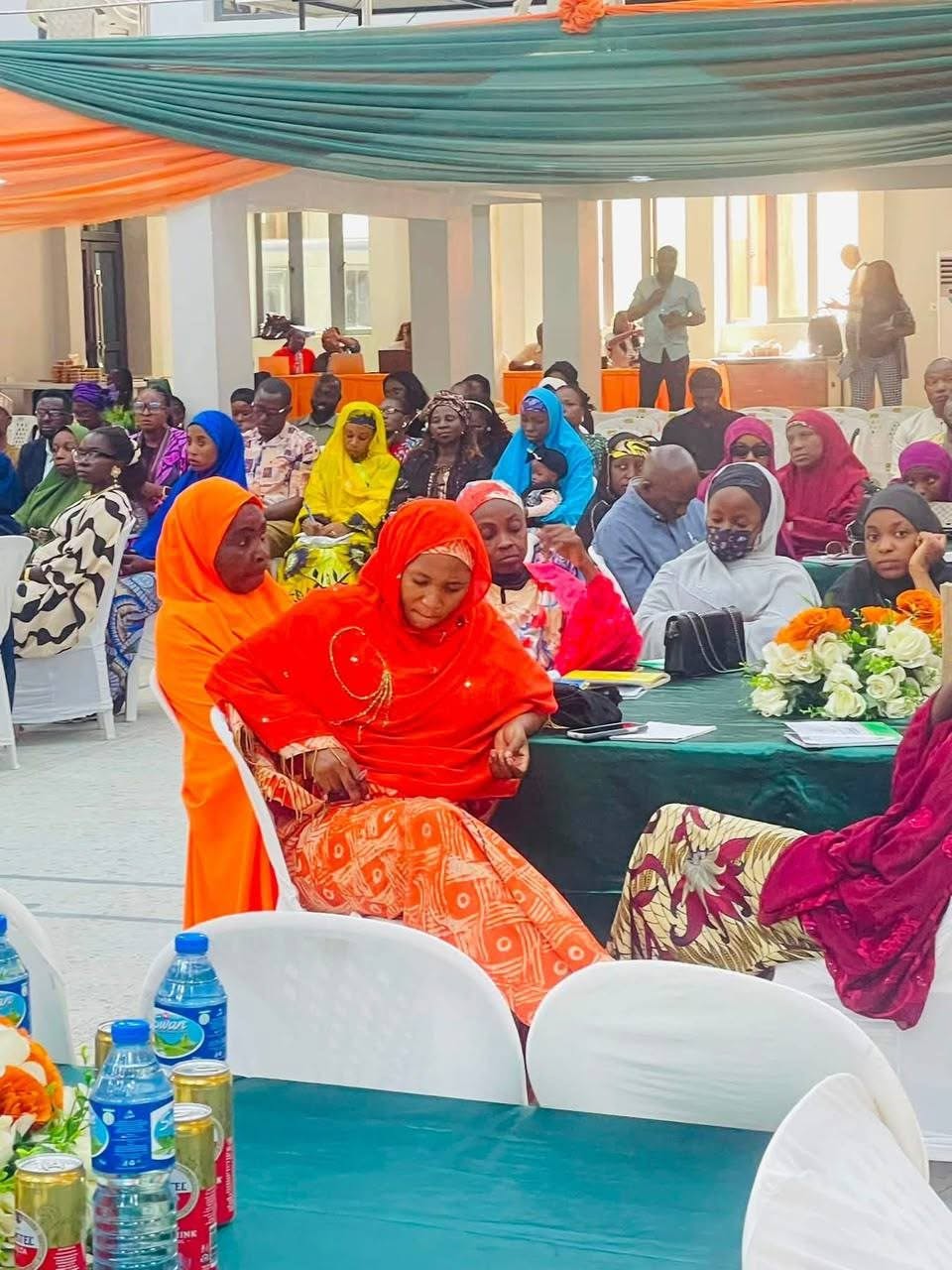
More than exam results
The panel began by challenging an idea many of us grew up with: that educational success is measured mainly by examination results and certificates. Academic knowledge still matters, they agreed. But it is no longer enough.
Tomorrow's learners will also need critical thinking, creativity, digital competence, problem-solving, character, leadership, resilience, communication and collaboration. And for that to happen, schools must become places where learners are encouraged to ask questions, experiment, build, create and solve real-world problems.
From consumers to creators
Technology came up again and again. The panel stressed the need to expose learners to it early and meaningfully, not so they can simply scroll, stream and consume, but so they can use it to create, innovate and solve problems.
The conversation stretched into emerging technologies such as blockchain, with a reminder that young people need to understand technology beyond its popular applications. Knowing how to use an app is one thing. Understanding what technology can build is another.
Educating the whole child
But the discussion was never only about technology. Rev. Barry Bass brought the room back to the heart of education: character. He highlighted the importance of leadership, discipline, communication, teamwork, confidence and social responsibility in raising well-rounded young people.
The panel also made a strong case for sports and extracurricular activities. Far from being "extras", these are where learners build resilience, teamwork, leadership and discipline, lessons a classroom alone cannot always teach.
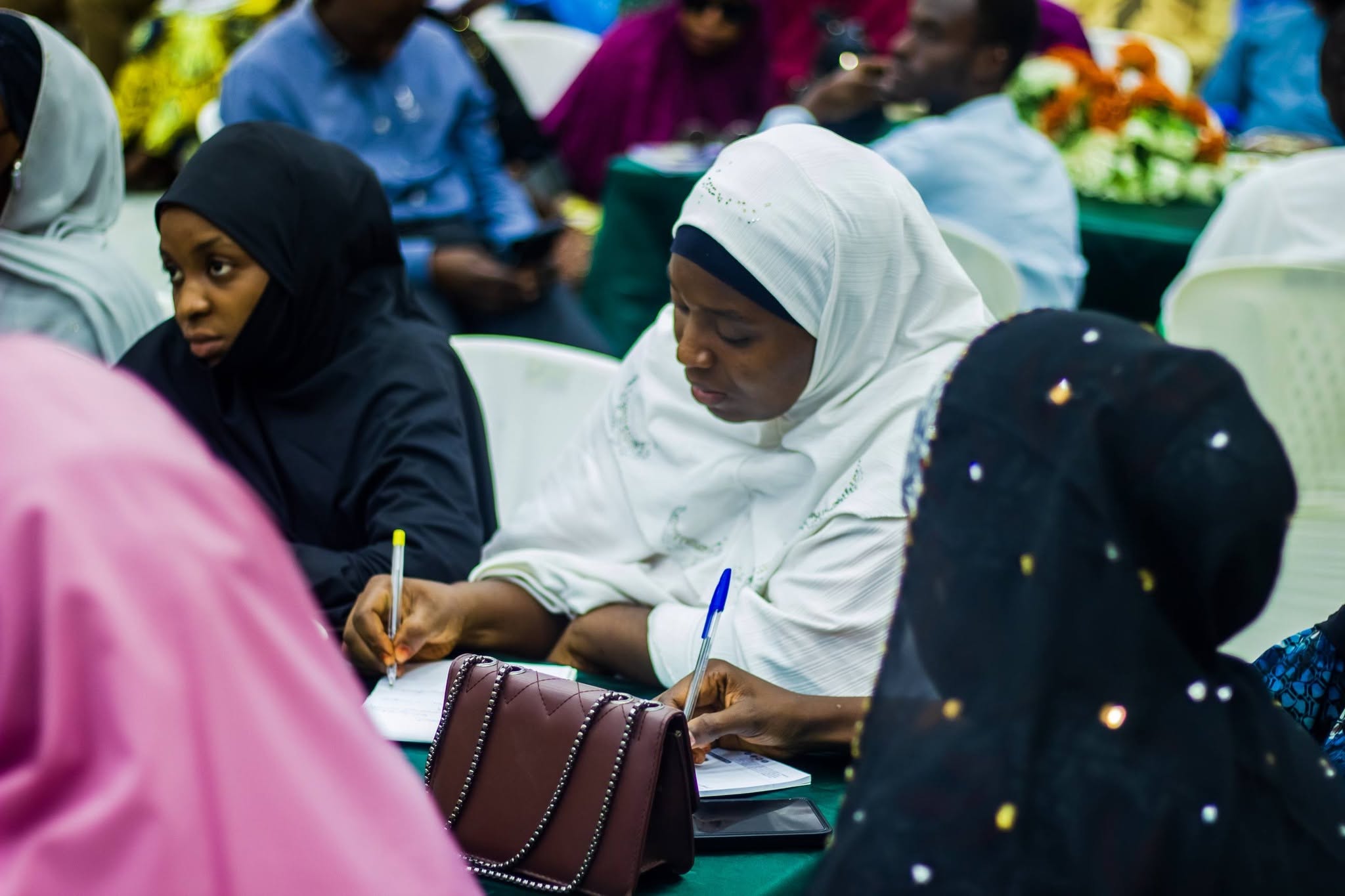
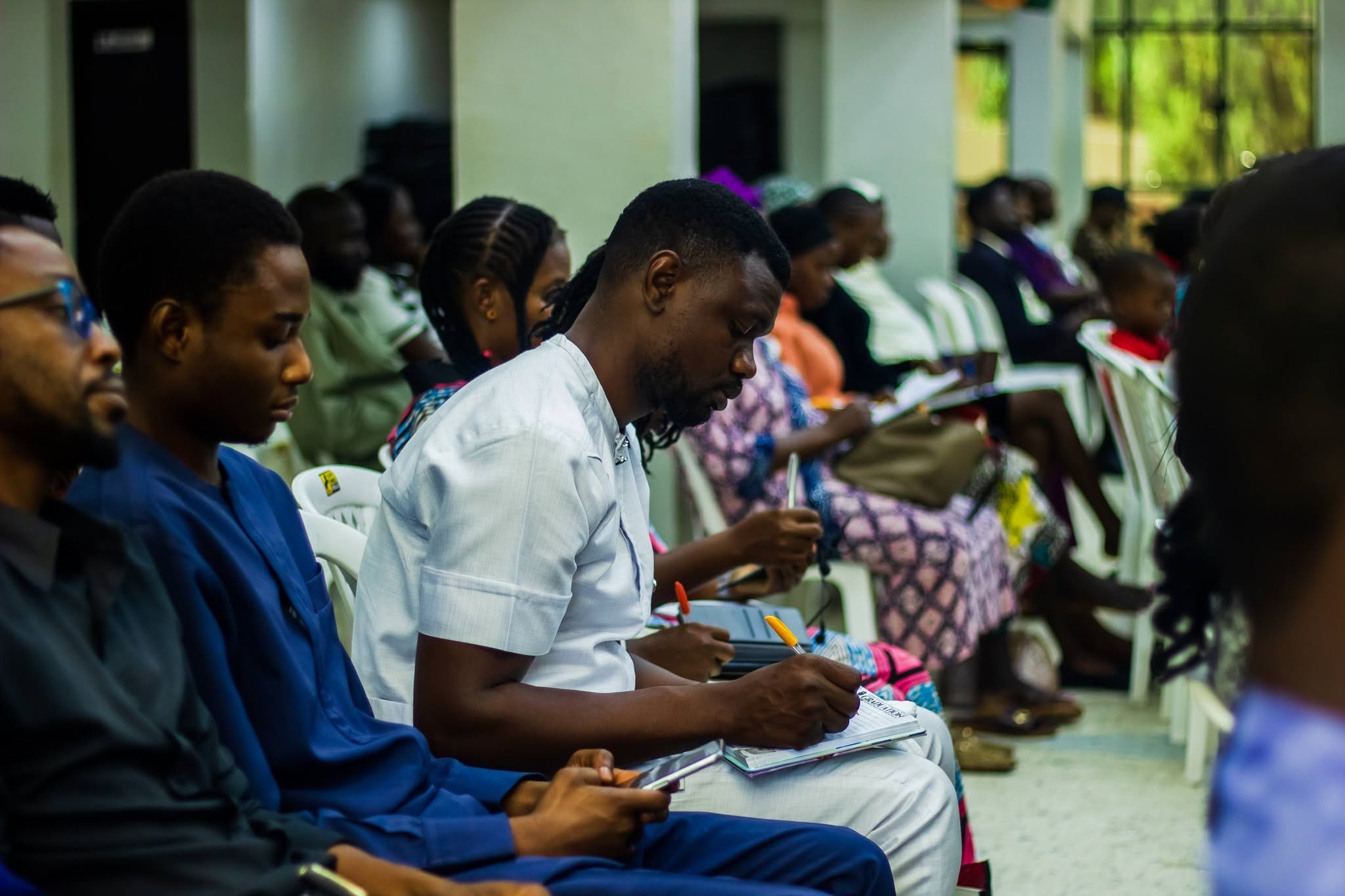
Beyond memorization
If there was one line that captured the spirit of the panel, it was this:
The panel encouraged schools to embrace project-based learning, experimentation, creativity and real-world problem-solving, helping learners move from simply receiving information to applying knowledge in ways that matter.
So what does a future-ready school look like?
By the end of the session, a clear picture had emerged. A future-ready school is one that helps learners:
- Think critically and ask questions
- Solve real-world problems
- Develop digital and practical skills
- Use technology responsibly and creatively
- Discover and develop their talents
- Build character and leadership capacity
- Collaborate effectively
- Adapt to a changing world
And importantly, it does not have to start with expensive technology or infrastructure. Schools can begin with what they have: by encouraging creativity, project-based learning, digital literacy, experimentation and practical skills development, one classroom at a time.
The Big Takeaway
The future of education cannot be built by simply doing more of what has always been done. We must equip learners not only for the jobs that exist today, but for a world that is constantly changing. The goal is to develop capable thinkers, responsible leaders, innovative creators and well-rounded citizens who can contribute meaningfully to national development.
From Conversation to Practical Action
If Day One opened the conversation, Day Two moved it toward practical application. The questions had been asked; now it was time to roll up our sleeves. Participants engaged in hands-on sessions designed to help educators understand and apply digital tools that can improve teaching, communication, productivity, and professional development.
Three sessions shaped the day, each one tackling a different side of what it means to teach well in a digital world.
Session 01
AI & Ethical Use
Facilitated by Mrs. Christie Dasaro
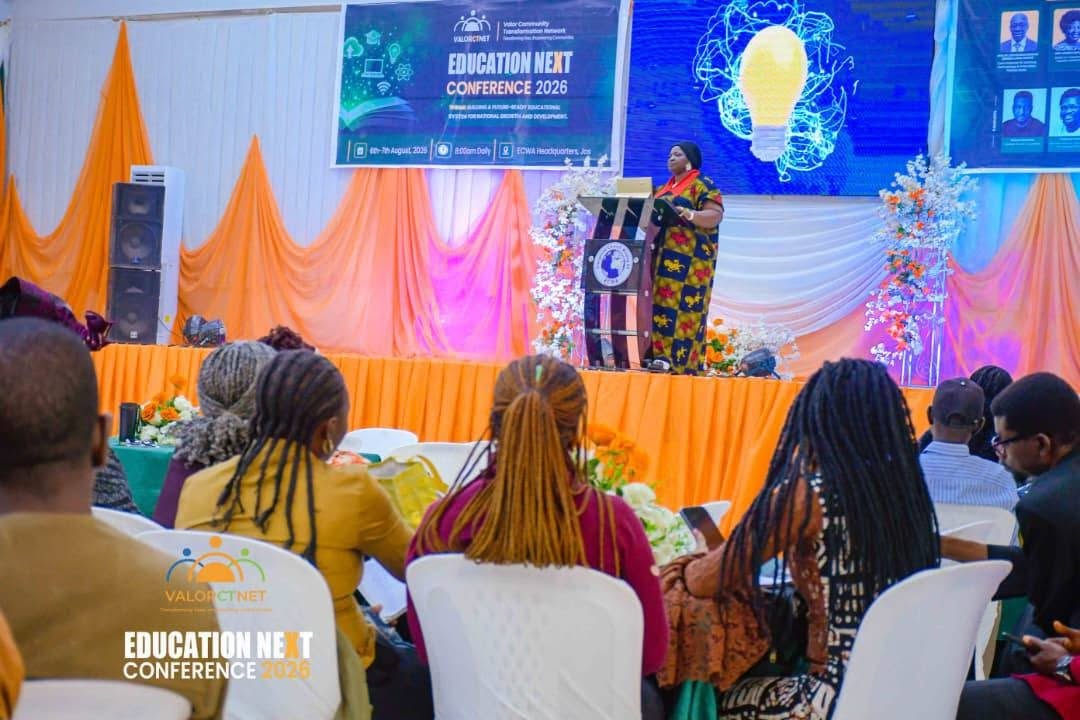
Artificial Intelligence was one of the most important conversations of the entire conference. Participants explored the opportunities AI presents for education, while also examining the responsibilities that come with using such powerful technology.
But the conversation didn't stop at the exciting part. It went beyond the obvious question and pushed educators to think harder:
Participants explored the importance of responsible and ethical AI use, particularly around critical thinking, academic integrity, privacy, and responsible decision-making. The goal was never to make AI a replacement for educators or learners, but to help educators understand how it can become a responsible tool for enhancing teaching and learning.
Session 02
Social Media for Educators: Building Your School Brand & Creating Engaging Educational Content
Facilitated by Miss Elizabeth Hris
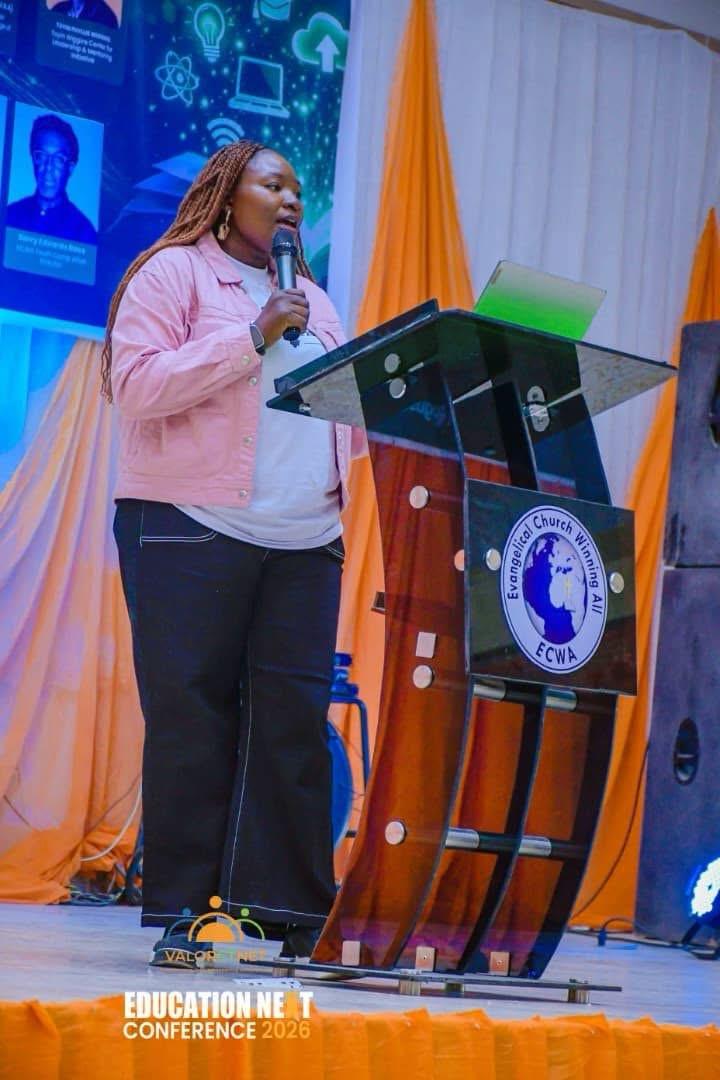
For many schools, social media is a place for the occasional announcement or holiday greeting. This session challenged educators and school leaders to rethink that completely.
Social media, participants learned, is no longer simply a place for entertainment. Used well, it can become a powerful platform for schools to:
- Tell their stories
- Showcase classroom experiences
- Celebrate teachers and learners
- Build trust with parents
- Share educational value
- Strengthen their school brand
- Connect with their wider community
Educators were also encouraged to see something many of them had overlooked: their own knowledge and expertise are assets, capable of creating impact far beyond the walls of the traditional classroom.
Session 03
Google Workspace: Learning by Doing
Facilitated by Miss Stephanie Ideho-Iraoya
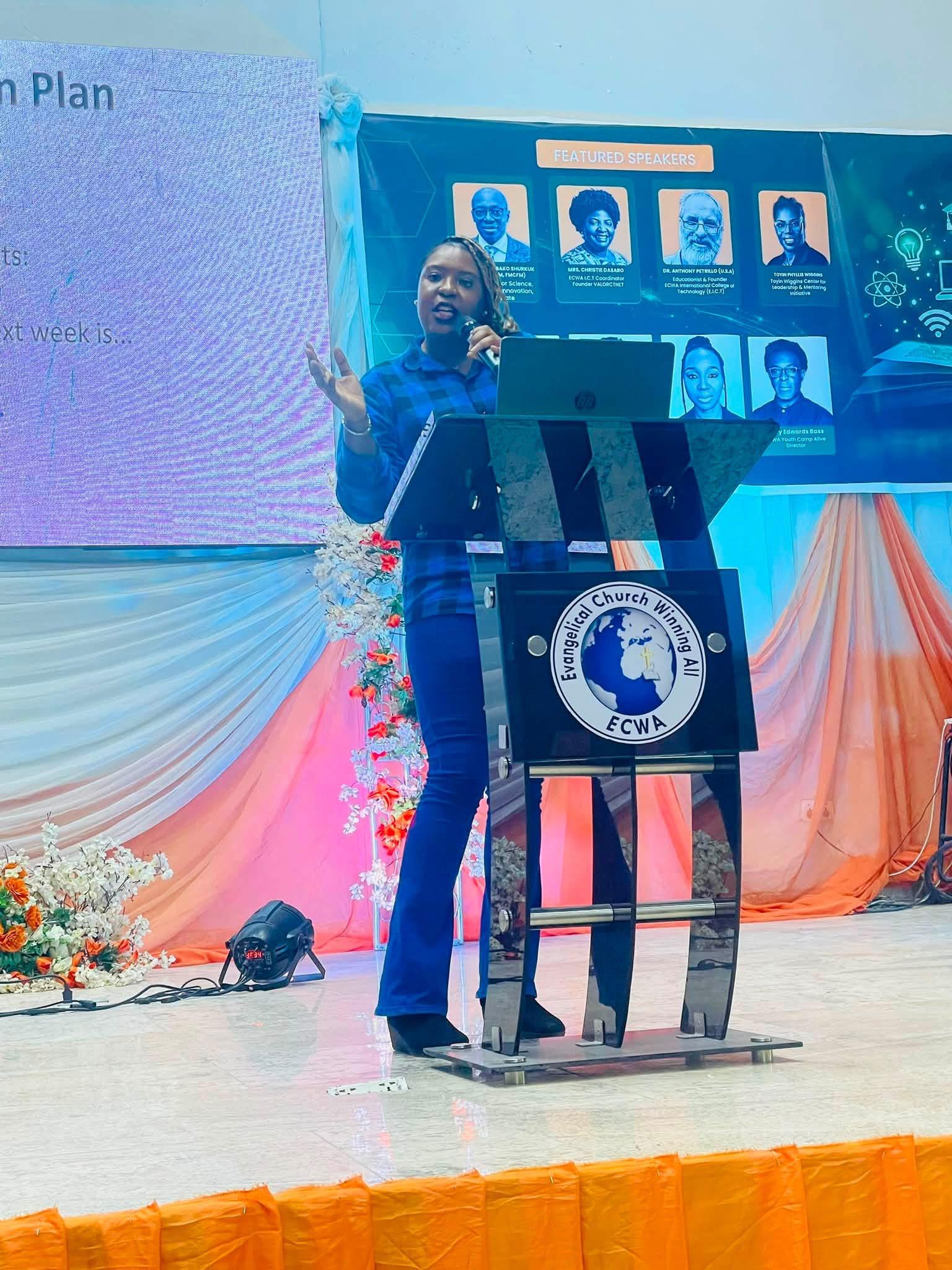
The day closed with a practical session on Google Workspace, giving participants the opportunity to explore digital tools that support teaching, collaboration, organization, and productivity.
True to its title, this session was about doing, not just watching. Rather than simply introducing the tools, it focused on practical application, helping educators see how technology can become part of their everyday workflow.
From classroom preparation to collaboration and document management, participants explored ways digital tools can help make educational work more efficient and connected.
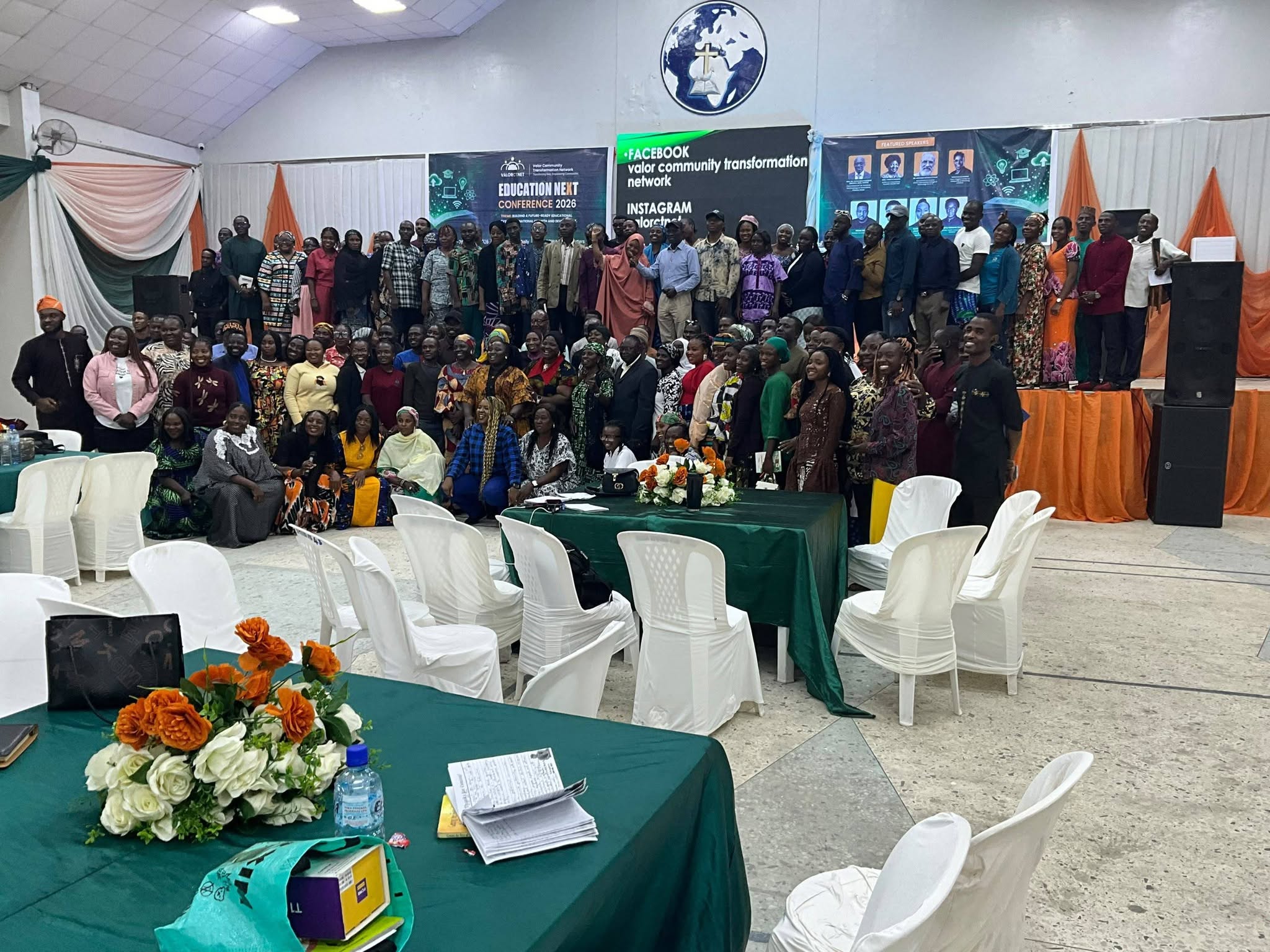
More Than a Conference
What happened between people.
Perhaps the greatest value of Education Next 2026 was not only what happened on the stage. It was what happened between people.
And new conversations began, the kind that do not end when the event does.
At Valor Community Transformational Network, we believe that knowledge should lead to action. Education Next was designed to start that process.
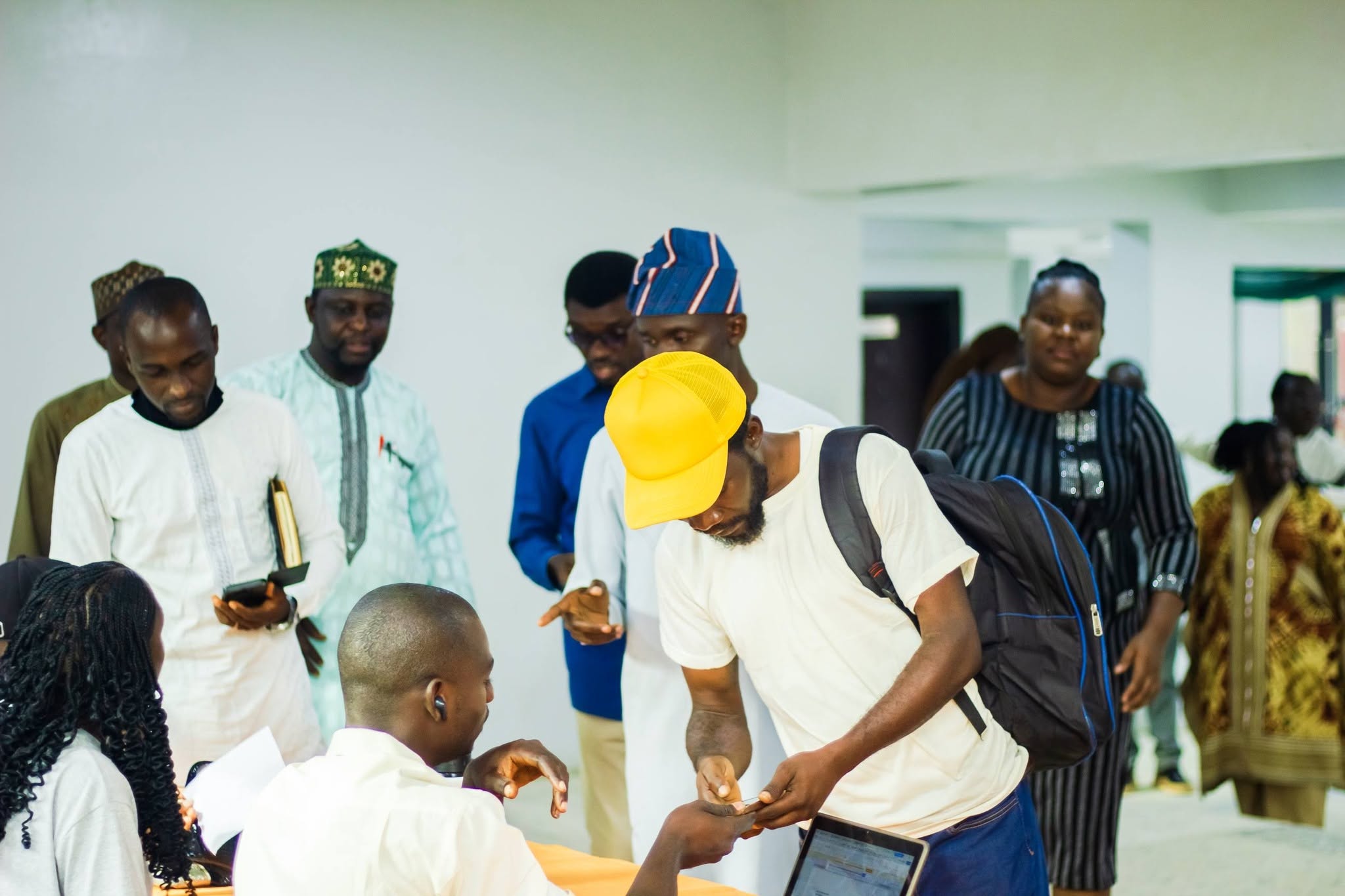
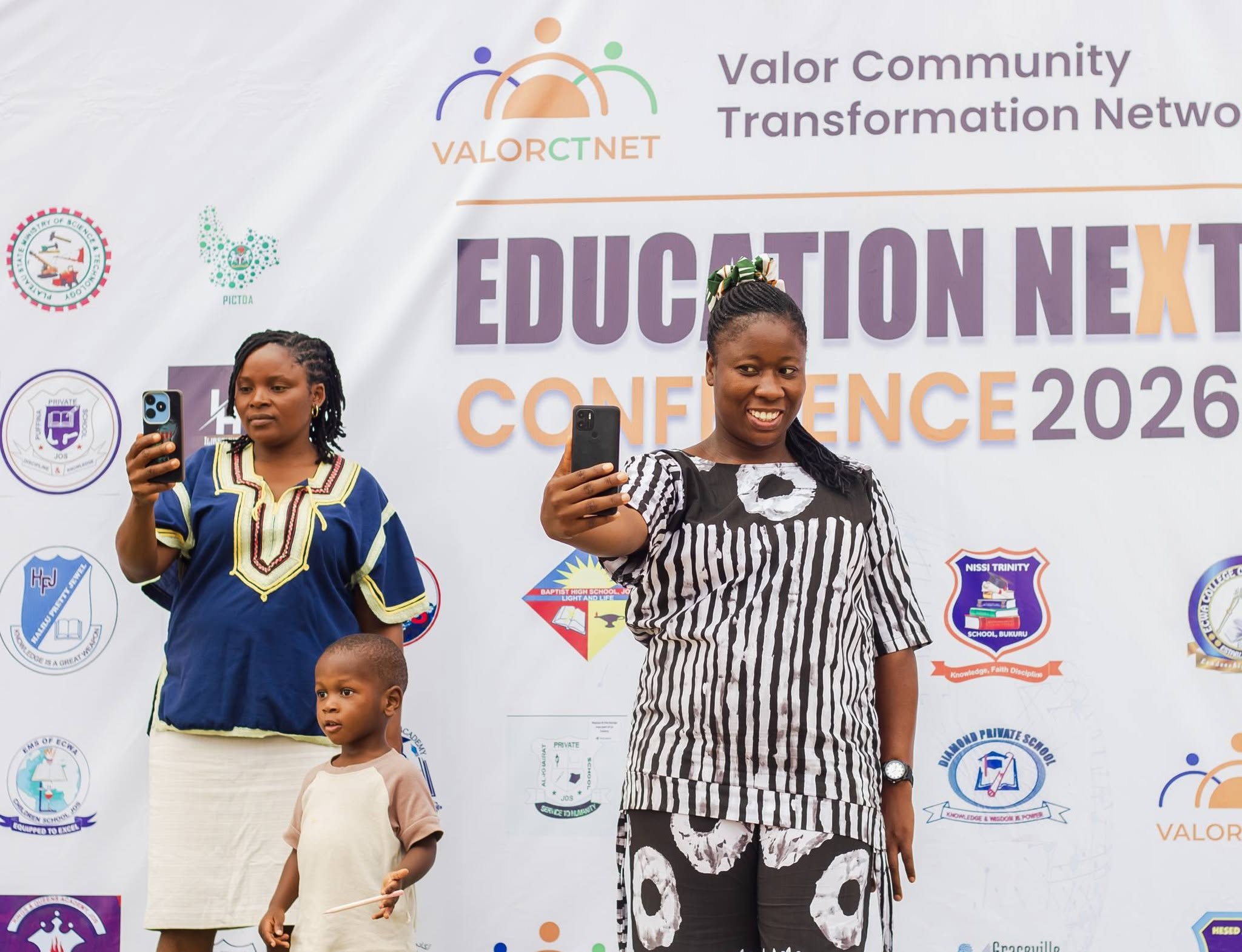
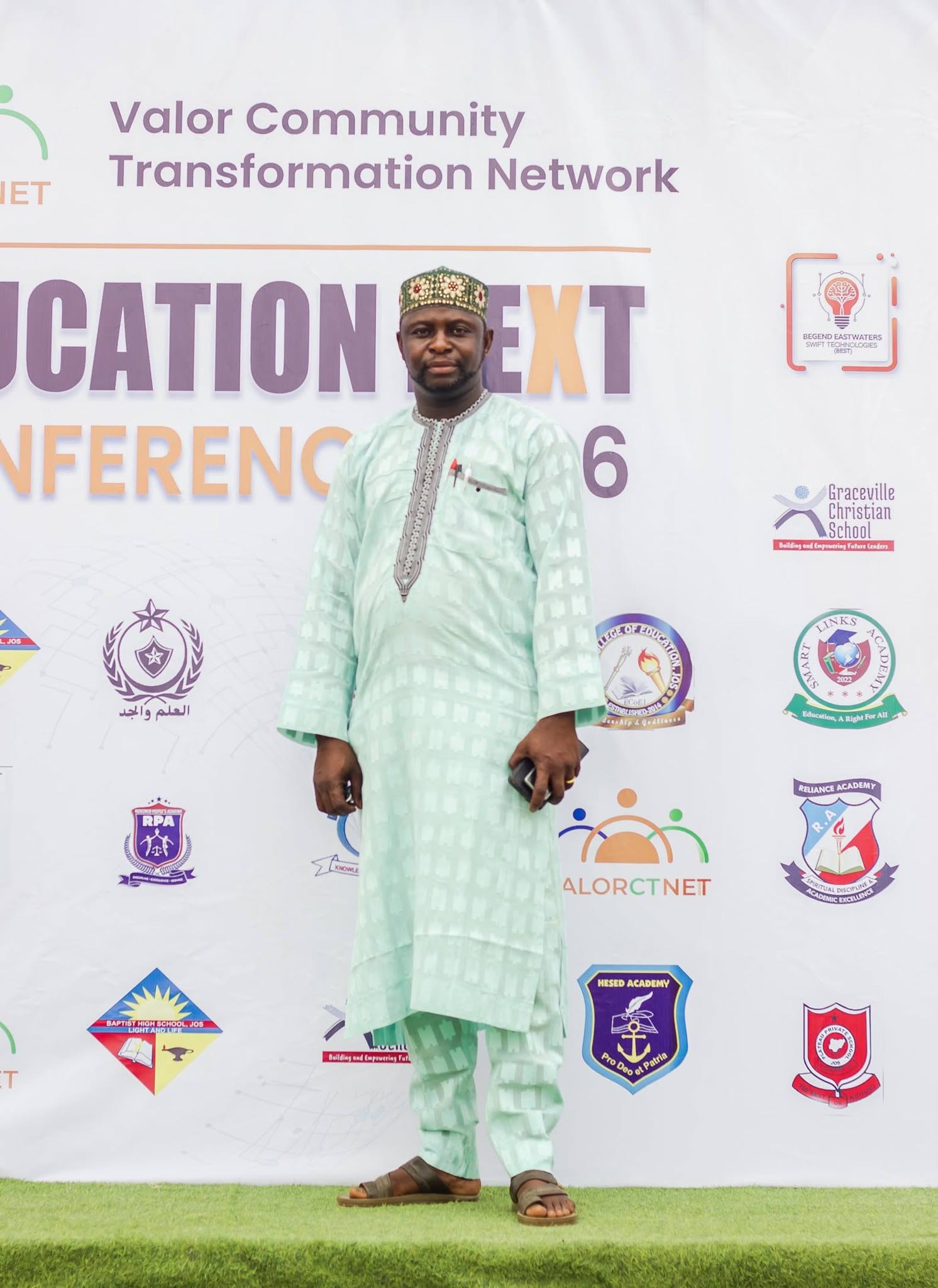
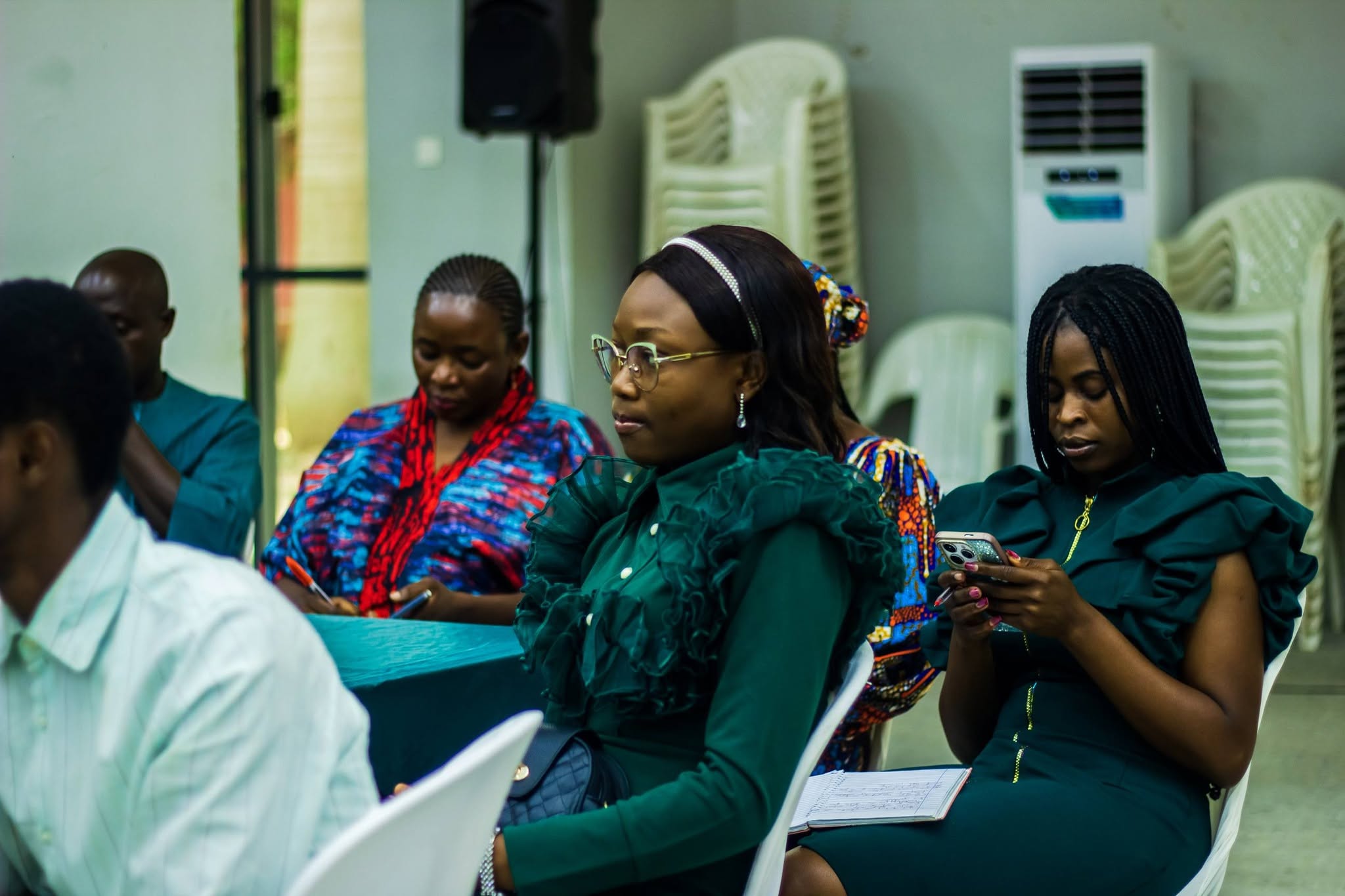
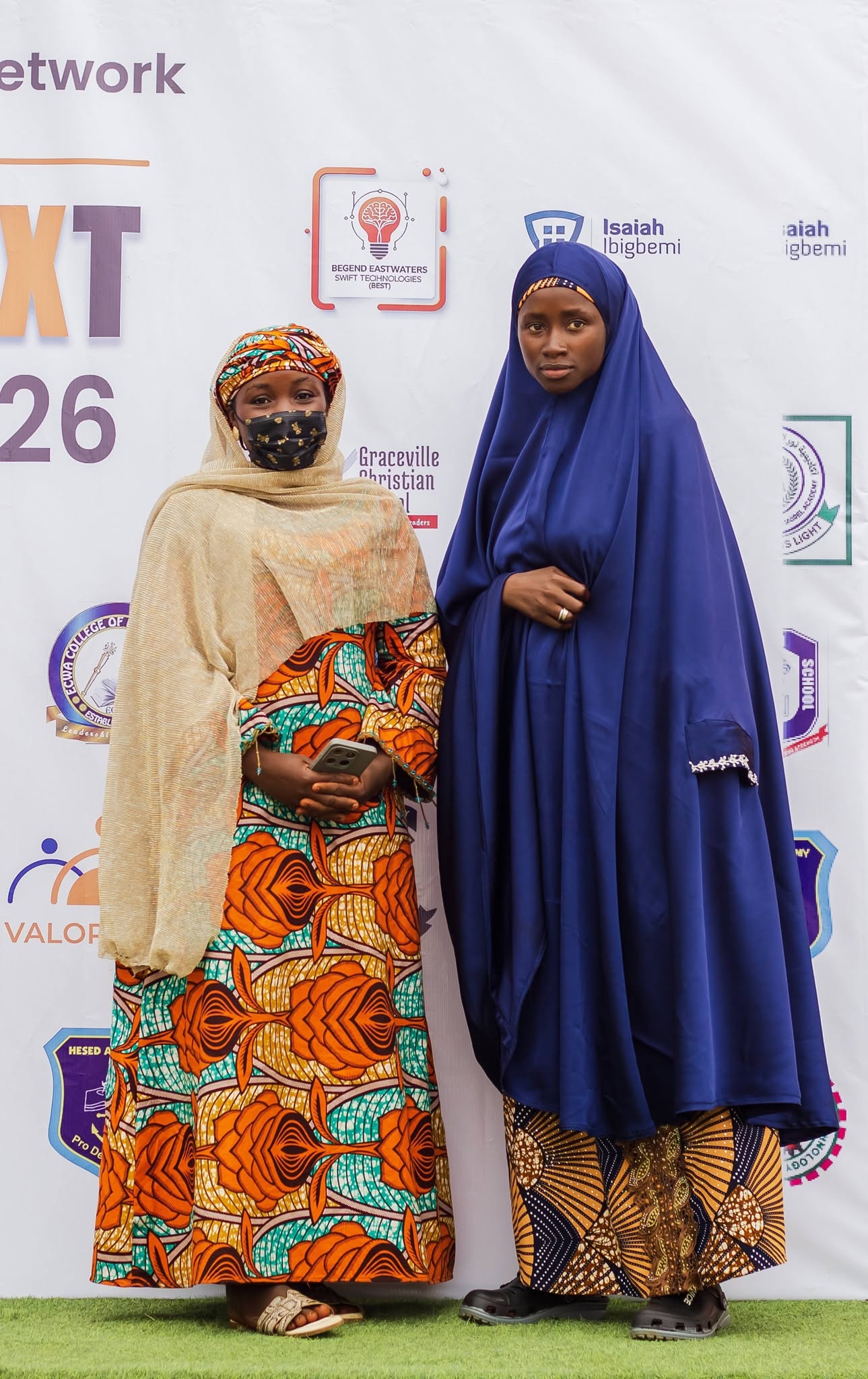
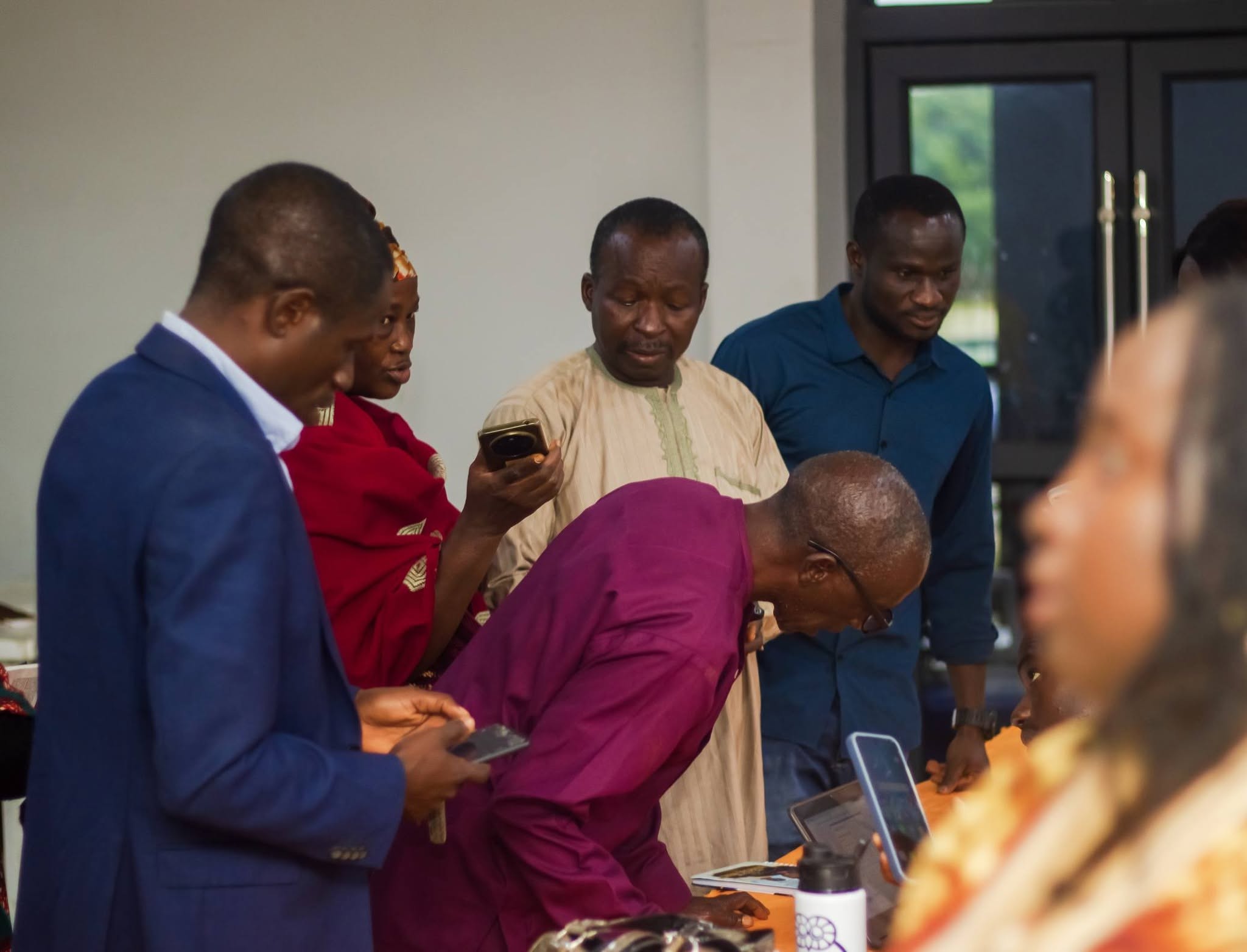
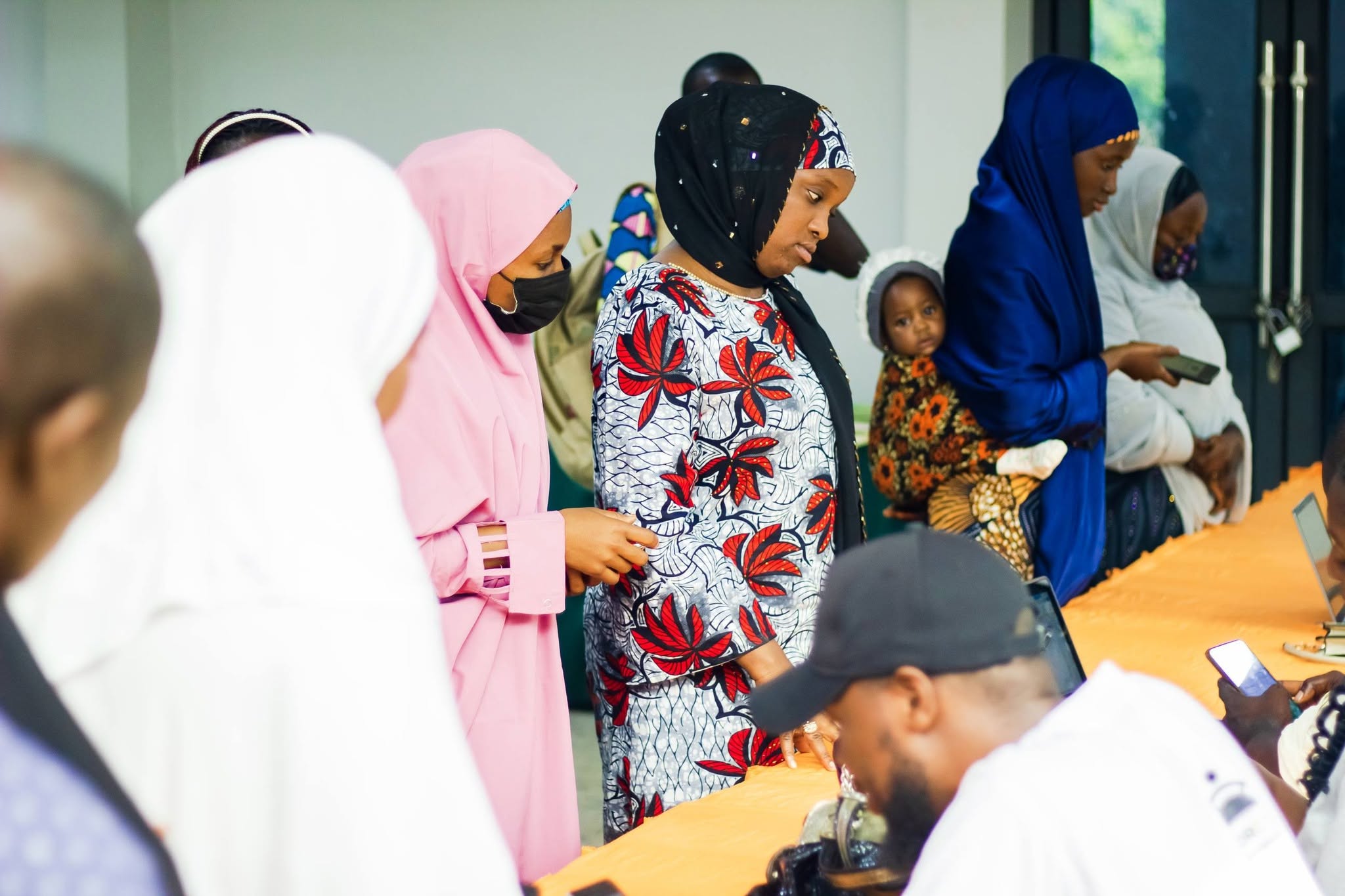
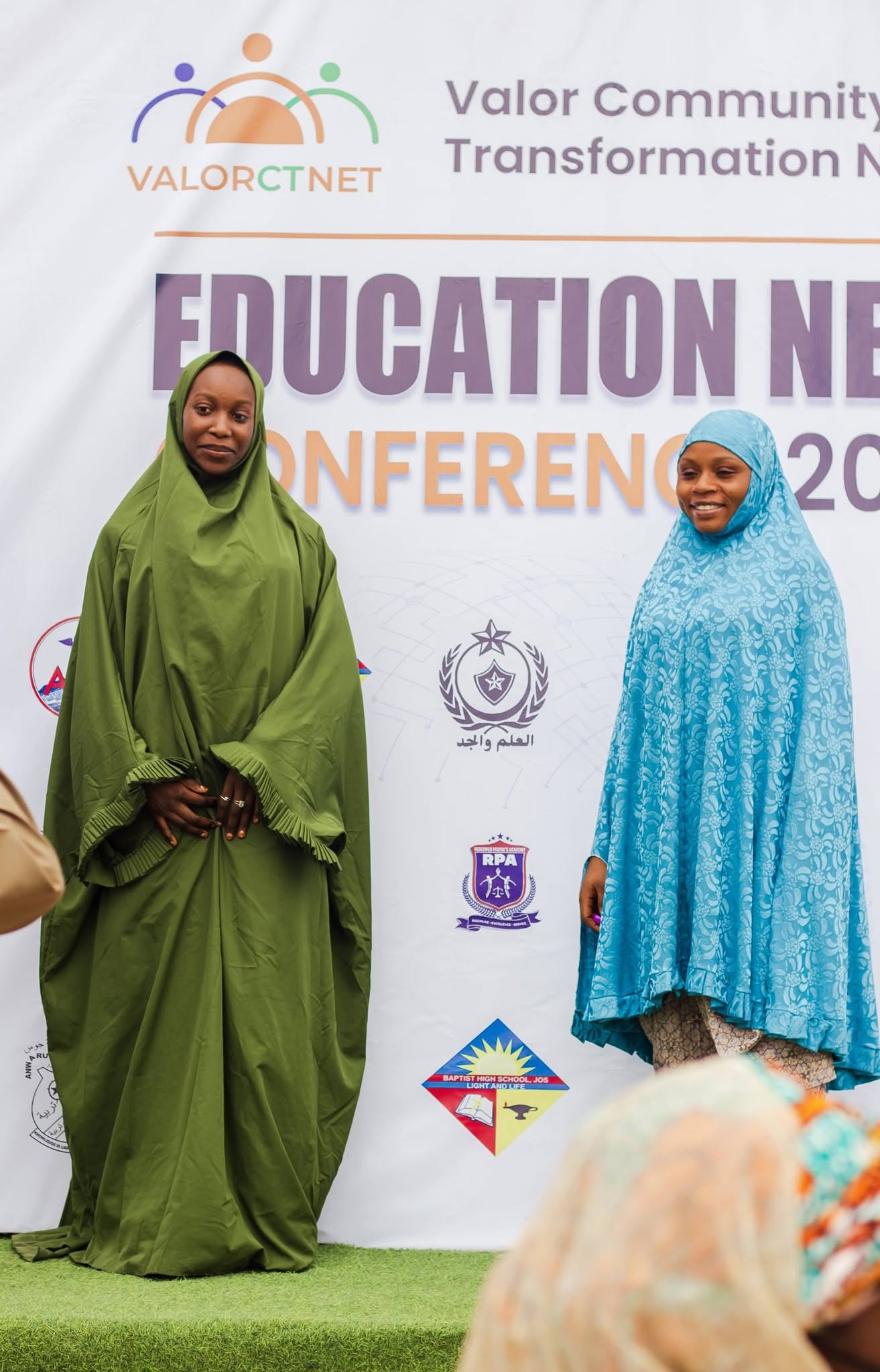
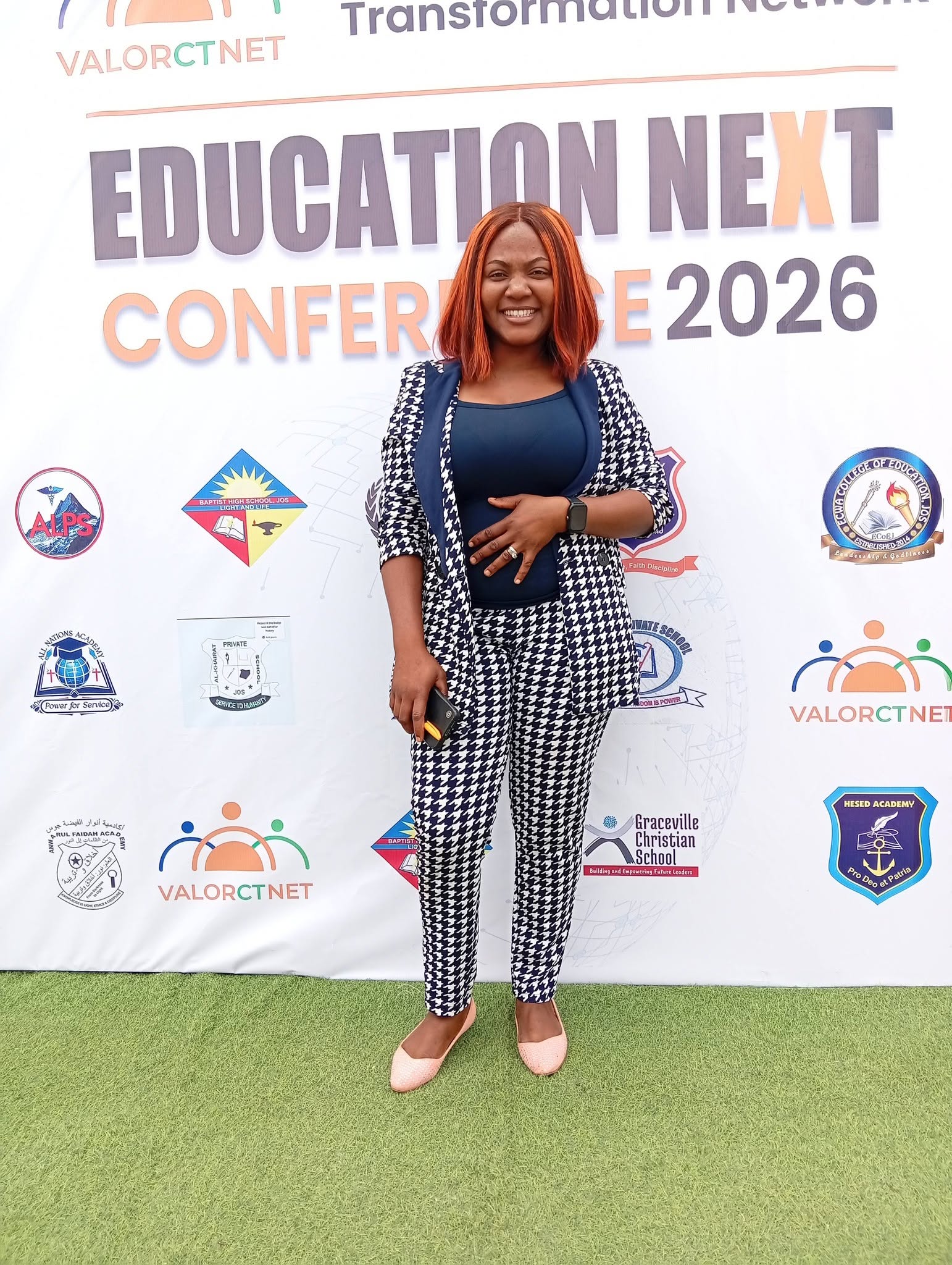
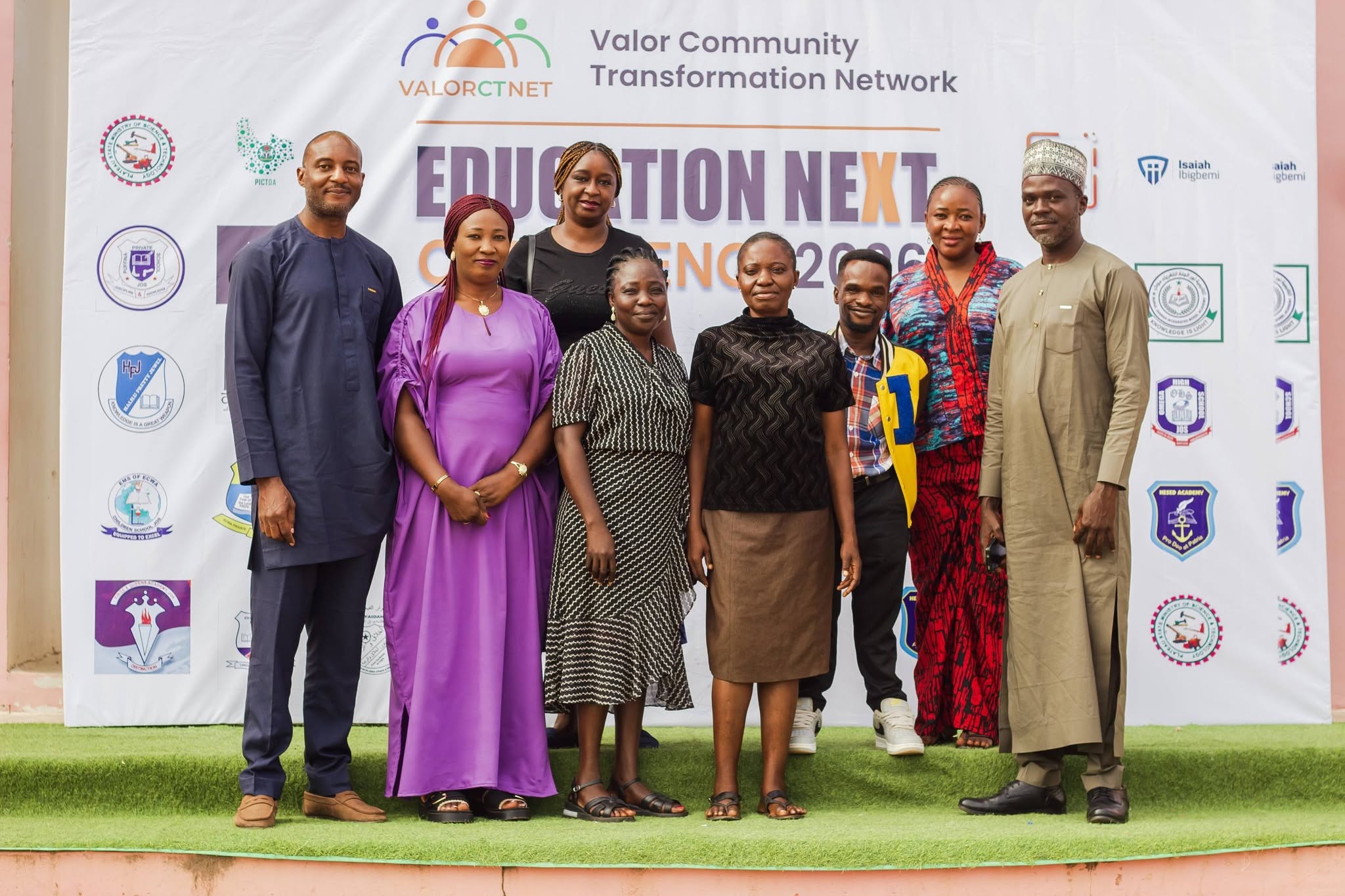
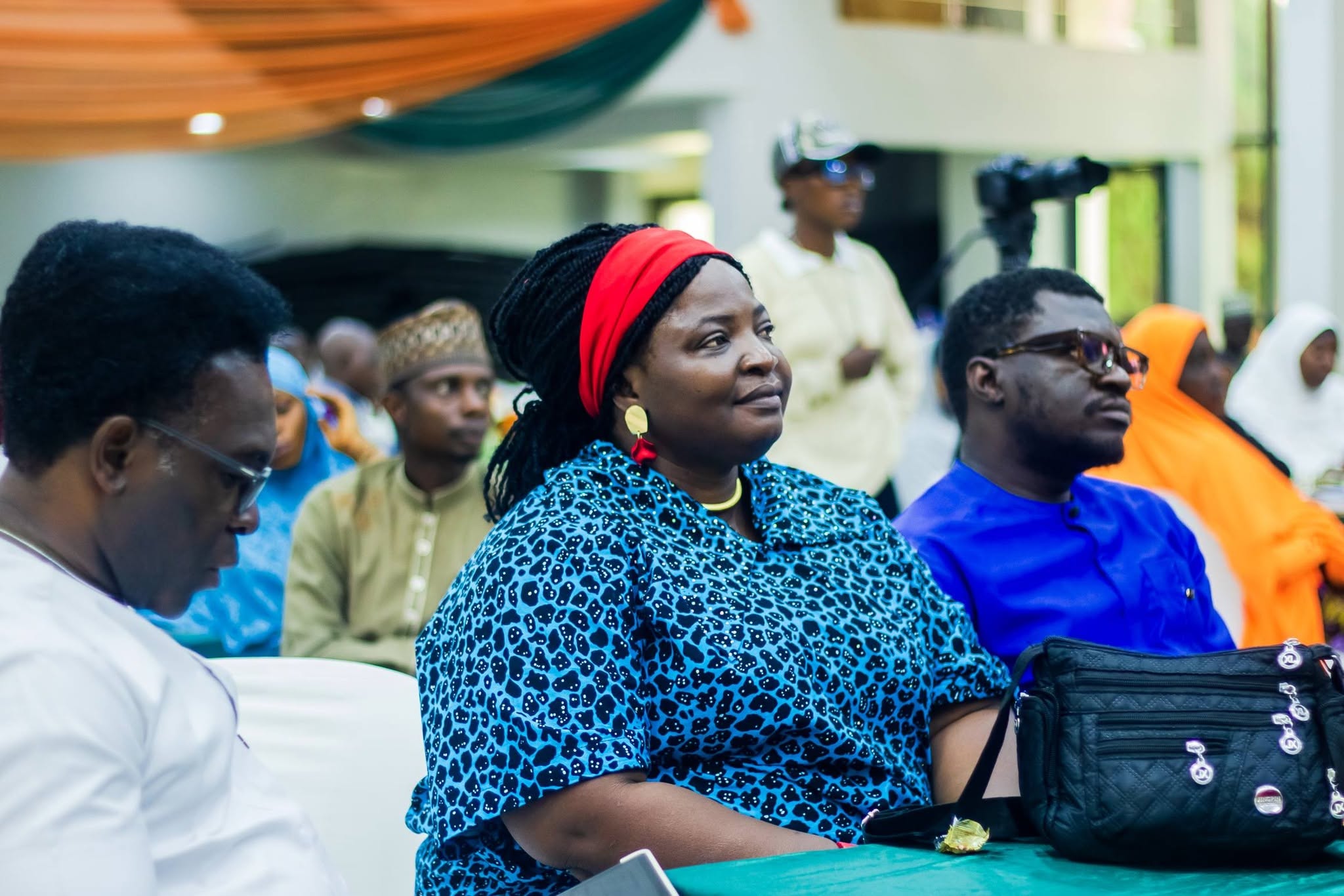
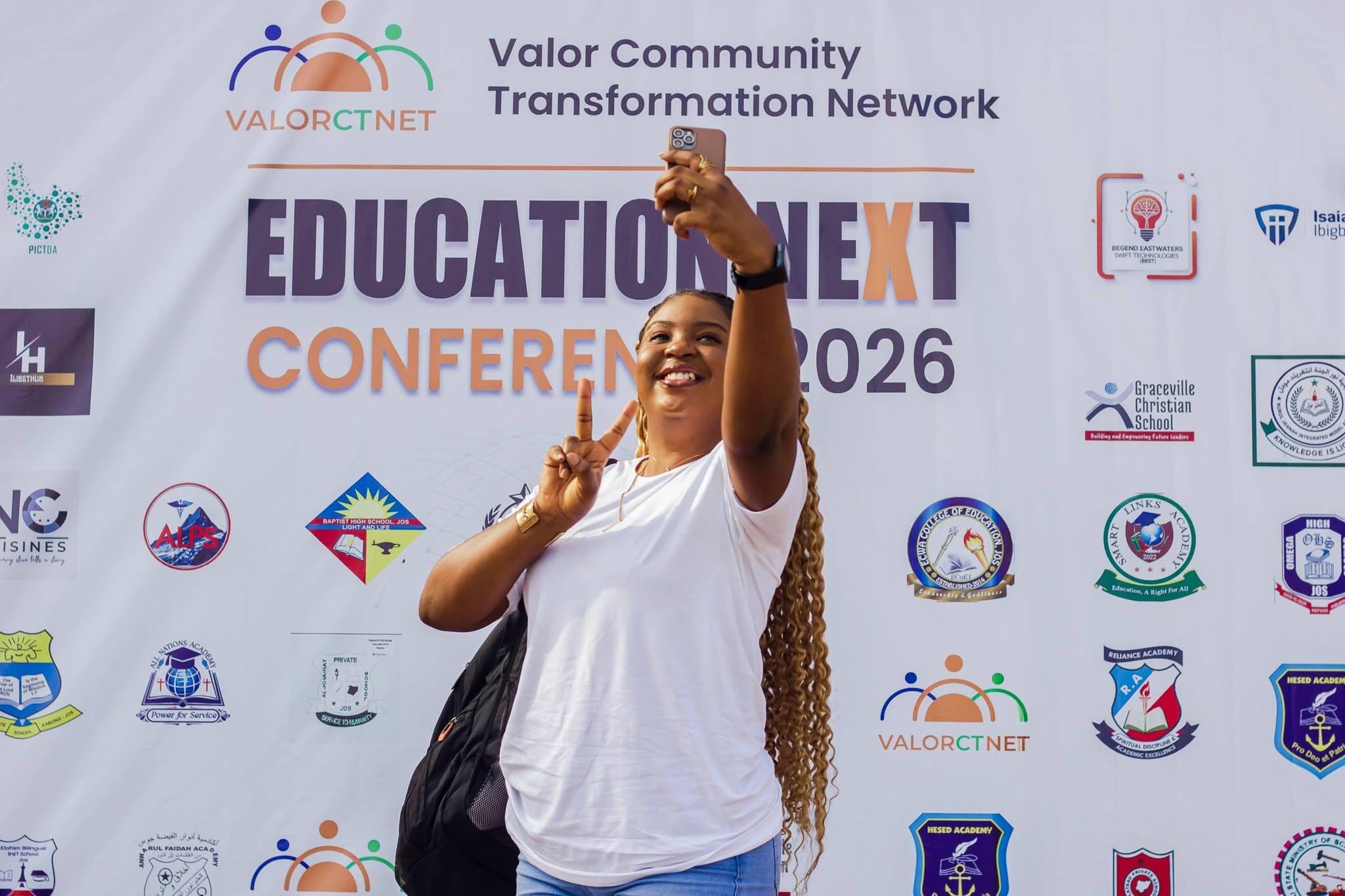
Moments from Education Next 2026
Tap any photo to see it in full